

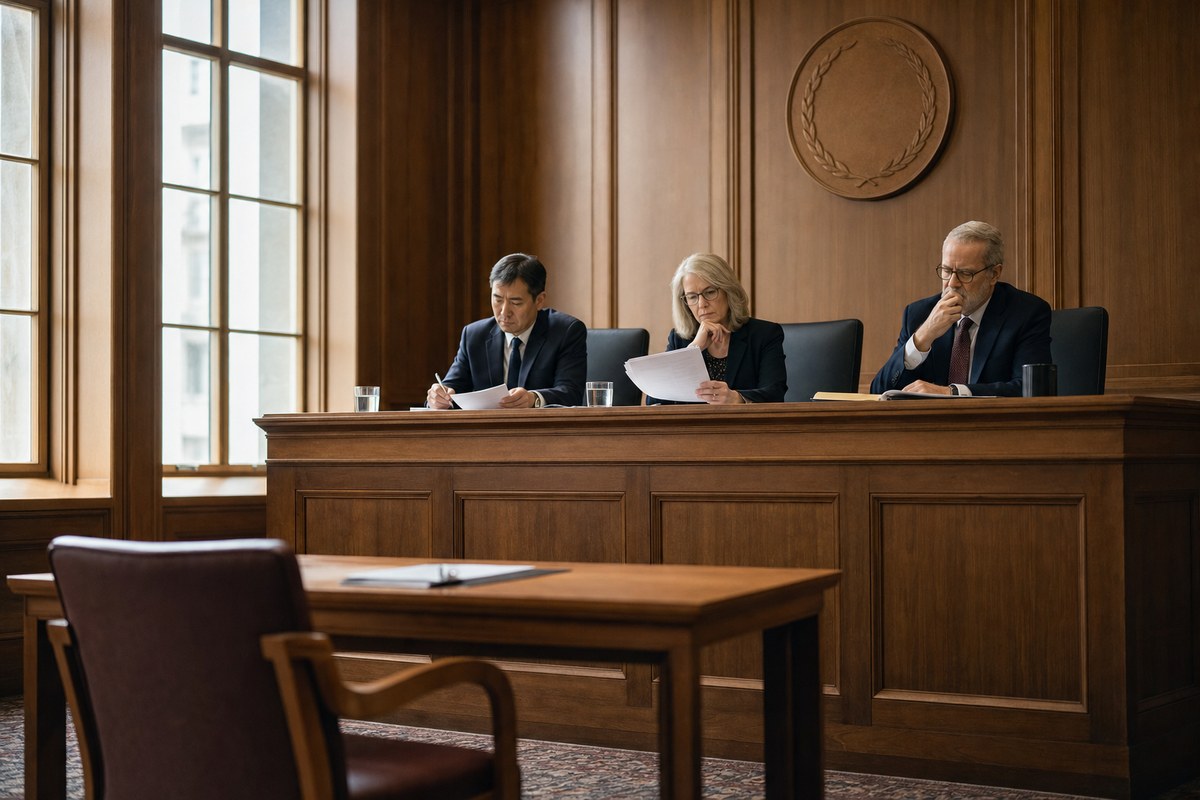
Title IX hearings are unfamiliar territory for almost everyone who goes through one. Unlike a courtroom, there's no jury, the rules of evidence are far looser, and the process is often over in a single day. That unfamiliarity leads to avoidable mistakes — some of which can shape the outcome before the hearing even begins.
1. Talking to the Investigator Without Preparation
Many students treat their first investigator interview as a casual conversation rather than a formal part of the record. Every statement you give becomes part of the file the decision-maker will review. Going in without having organized your timeline, identified your witnesses, and thought through likely questions is one of the most common — and costly — mistakes we see.
2. Contacting the Complainant or Witnesses Directly
It's a natural instinct to want to "clear the air" or explain your side directly to the other party. Don't. Direct contact can violate a no-contact directive, be characterized as retaliation or witness tampering, and can independently result in additional charges or sanctions — regardless of the outcome of the underlying complaint.
3. Assuming the Process Works Like a Criminal Case
Title IX hearings use a lower standard of proof (usually "preponderance of the evidence" — more likely than not) than a criminal trial, and many of the procedural protections common in criminal court simply don't apply. Treating a Title IX hearing as if it will unfold like a criminal trial — waiting to "let the truth come out," assuming silence can't be held against you, or expecting formal rules of evidence — leaves students unprepared for how differently these proceedings actually work.
4. Failing to Prepare for Cross-Examination
Where cross-examination is permitted, it's usually conducted through an advisor rather than the student directly — but that doesn't mean the student has no role. Preparing your advisor with a clear line of questioning, identifying the key inconsistencies in the other party's account, and anticipating what the complainant's advisor will ask you all take real preparation time. Walking into a hearing without a strategy wastes the single best opportunity to test the other side's account.
5. Waiting Too Long to Get an Advisor Involved
Every school's policy grants the right to an advisor from the very start of the process, but many students wait until a hearing date is set before reaching out for help. By then, interview statements are locked in, evidence review windows may have closed, and the strategic options are far more limited. Getting an experienced advisor involved as soon as you receive notice gives you the most room to build an effective response.
The Bottom Line
None of these mistakes are unusual — they happen because most students are going through this process for the first time, under enormous stress, with a compressed timeline. The good news is that all of them are avoidable with the right guidance early on.
If you're facing a Title IX complaint or hearing, we offer a free consultation to review your situation and help you understand your options before your next step.