
A Title IX complaint can affect a student's education, housing, athletics, financial aid, and future plans—whether the school is across town or across the country. University procedures are not criminal trials, but they are formal proceedings with deadlines, evidence, interviews, and potentially serious academic consequences. Howard Lotspeich Alexander & Williams, PLLC represents students at universities nationwide and helps families understand what to do next.
Our attorneys work with students in Texas and beyond, including students who are away from home, attending school out of state, or dealing with a university that is handling a case remotely. We review the school's actual policy, the notice of allegations, and the student's goals before recommending a strategy. The aim is not to make promises about an outcome. It is to help the student participate thoughtfully and protect important opportunities at each stage.
What Nationwide Title IX Representation Includes
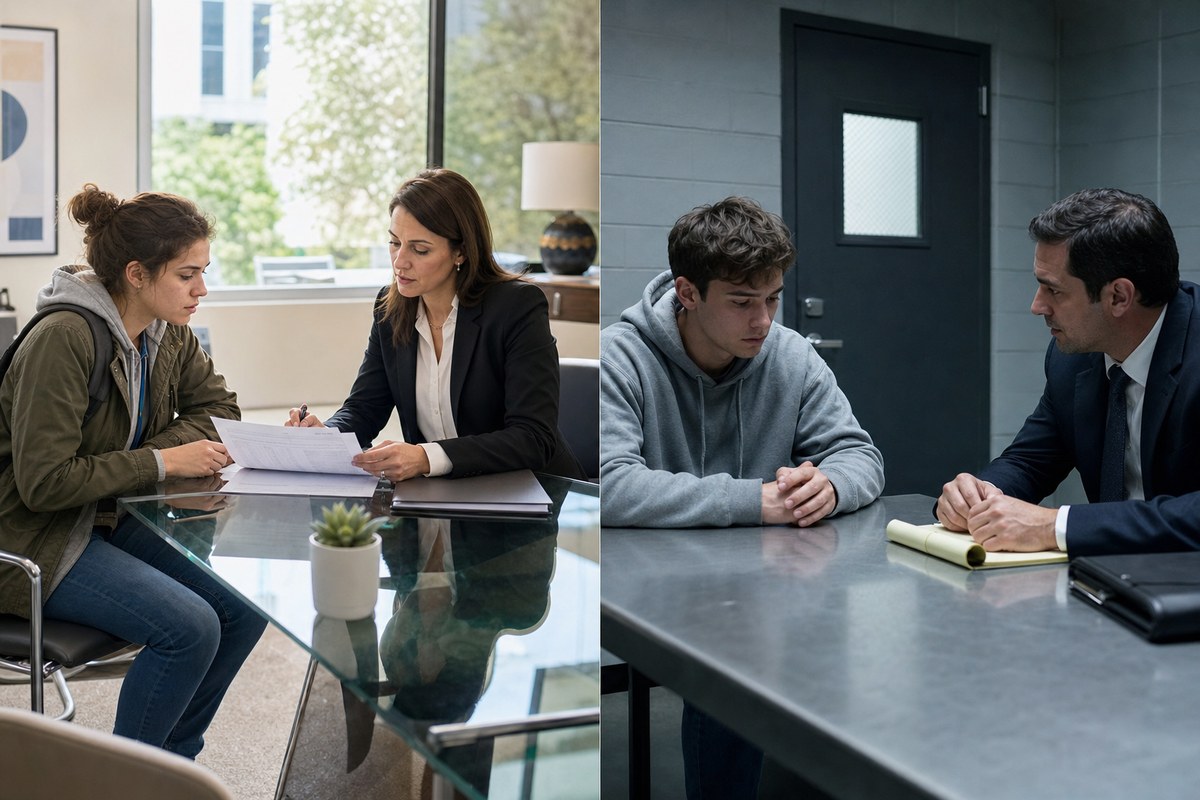
Representation may begin with a notice from the Title IX Coordinator, an investigator's request for an interview, a no-contact directive, or another communication indicating that the university is reviewing an incident. An attorney can explain what the document means, identify the immediate deadline, and help the student avoid conduct that could create an additional issue. The first conversation is also a chance to determine whether the matter involves a Title IX process, a separate student-conduct process, or both.
As the case develops, counsel may help organize a timeline, preserve texts and other communications, identify witnesses with relevant firsthand knowledge, prepare for interviews, and review an investigative report or evidence file. Depending on the school's policy and the allegations, the process may include a live hearing, advisor-conducted questioning, a written determination, sanctions, and a limited appeal. The precise role of an advisor varies by policy, so students should not assume that every university uses the same format.
How University Procedures Differ Across the Country
Colleges and universities publish their own policies, and those policies can differ in terminology, deadlines, hearing structure, evidence-review procedures, and appeal grounds. A public university in Texas may use a different process from a private college in California, a state university in the Midwest, or a graduate program on the East Coast. The law and institutional policy in effect when a case is handled also matter.
Many schools evaluate responsibility under a preponderance-of-the-evidence standard, meaning the decision-maker asks whether a policy violation is more likely than not. Other details—such as whether there is a live hearing, how questioning occurs, whether an advisor may speak, and what sanctions are available—must be confirmed from the school's current policy. A careful attorney starts with the controlling documents rather than applying a one-size-fits-all checklist.
A university case may also overlap with a criminal investigation, civil protective order, athletic-team restrictions, housing changes, or another conduct proceeding. Statements made in one setting can create concerns in another. When proceedings overlap, students should receive advice about the risks before giving an interview, signing a written statement, or contacting another person involved.
How Remote and Virtual Representation Works
A student does not always need to be in the same city as counsel to receive meaningful representation. Initial consultations, policy reviews, preparation meetings, and many communications with the university can take place by secure video conference or telephone. Students can share notices, policies, evidence files, and relevant communications electronically so counsel can build an organized working record.
Virtual preparation can be structured and personal. Before an interview, an attorney can walk through the allegations, practice likely questions, identify areas that need clarification, and review the boundaries of any no-contact or interim-measure directive. Before a hearing, counsel can review the evidence, develop questions for witnesses where permitted, and discuss how the hearing platform works. If the university uses a remote hearing, the student and attorney can prepare for the technology, room setup, documents, and communication method in advance.
Some schools may require in-person attendance or impose rules about who may appear at a hearing. Licensure and local-practice questions can also depend on the state and the task involved. We address those practical issues at the outset and coordinate representation with the university's procedures instead of assuming that a virtual meeting solves every logistical question.
Why Students Choose Our Firm
Students and families often contact us when a university's process feels unfamiliar, fast-moving, or disconnected from where they live. Our attorneys bring litigation experience and a plain-English approach to a process that rewards preparation, close reading, and careful communication. We help students separate urgent deadlines from later decisions, preserve relevant information, and understand what their advisor can do at each stage.
Every case is different. The strongest next step may be preparing for an interview, responding to an evidence file, addressing an interim measure, preparing for a hearing, or evaluating an appeal. Early advice gives the student more time to make those decisions deliberately.
If you or your student is facing a Title IX complaint at a university anywhere in the United States, Howard Lotspeich Alexander & Williams, PLLC can review the notice, explain the applicable procedure, and discuss how remote representation may work. Contact our firm for a consultation.